
Art History 101: Understanding the Renaissance Through the Louvre's Collection
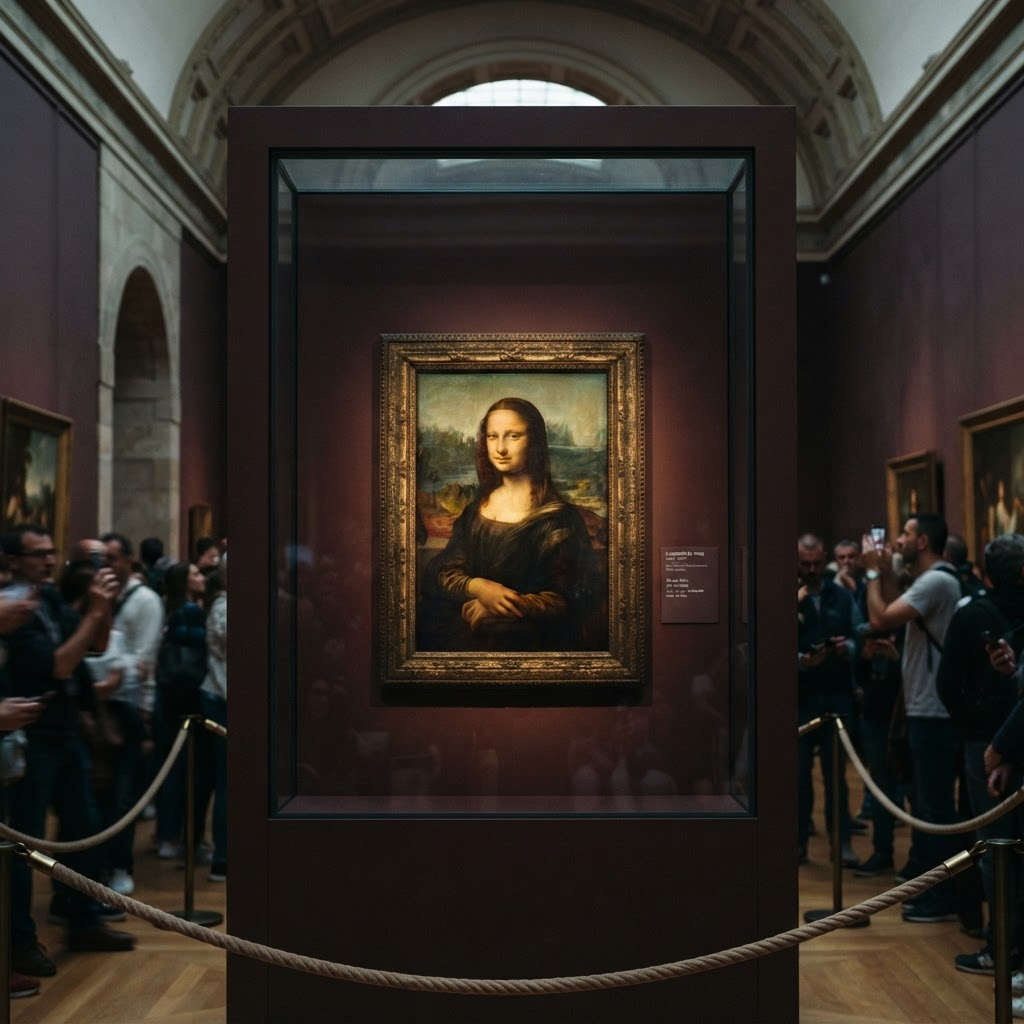
The Renaissance — meaning "rebirth" — began in 14th-century Italy and spread across Europe, reviving classical ideals of proportion, perspective, and humanism. The Louvre's Italian collection, including works by Leonardo, Raphael, and Titian, tells this story room by room.
Look for the shift from medieval flatness to three-dimensional space: Leonardo's sfumato softens edges, Raphael balances composition with harmony, and Michelangelo's sculptures (including the Slaves) reveal the human body as a subject of beauty and power.
French Renaissance works in the Richelieu wing show how these ideas traveled north. From decorative arts to portraiture, the Louvre lets you trace 300 years of artistic revolution under one roof — a crash course in how the modern world learned to see.